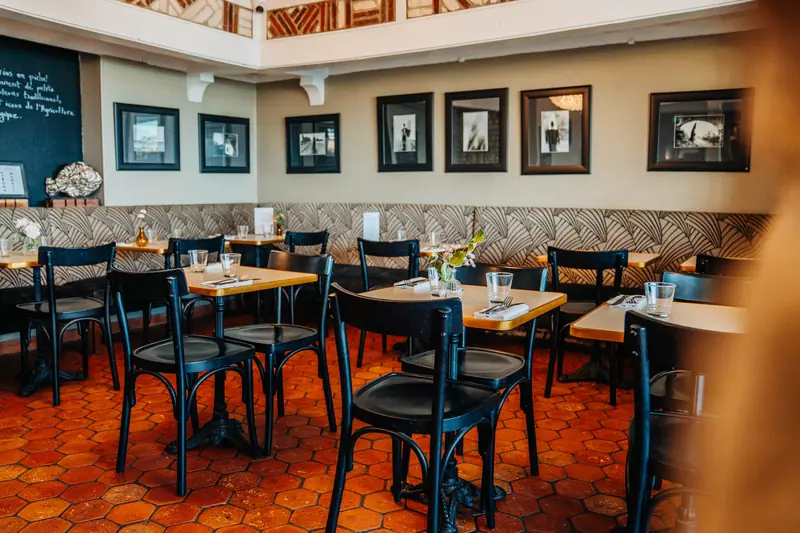
On foot from the hotel
Explore Étretat.
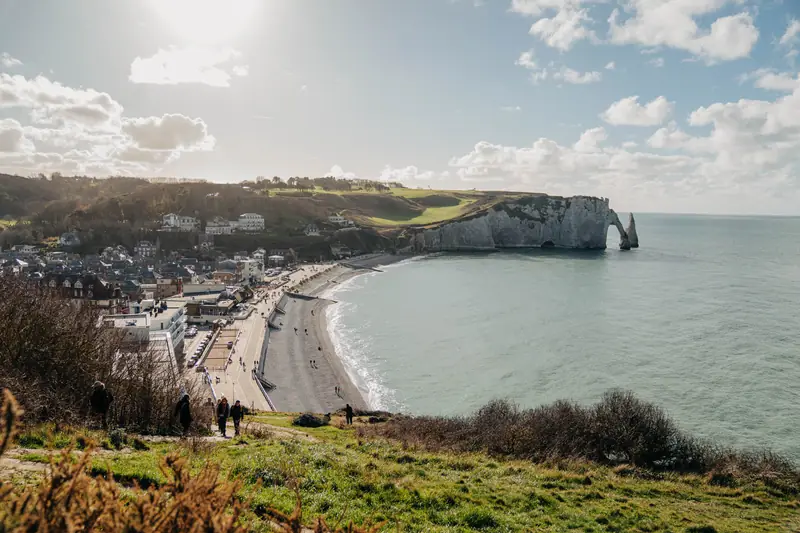
The cliffs, the gardens and the village are all within walking distance of the hotel, whatever the season. Both cliffs are less than 300 m away.
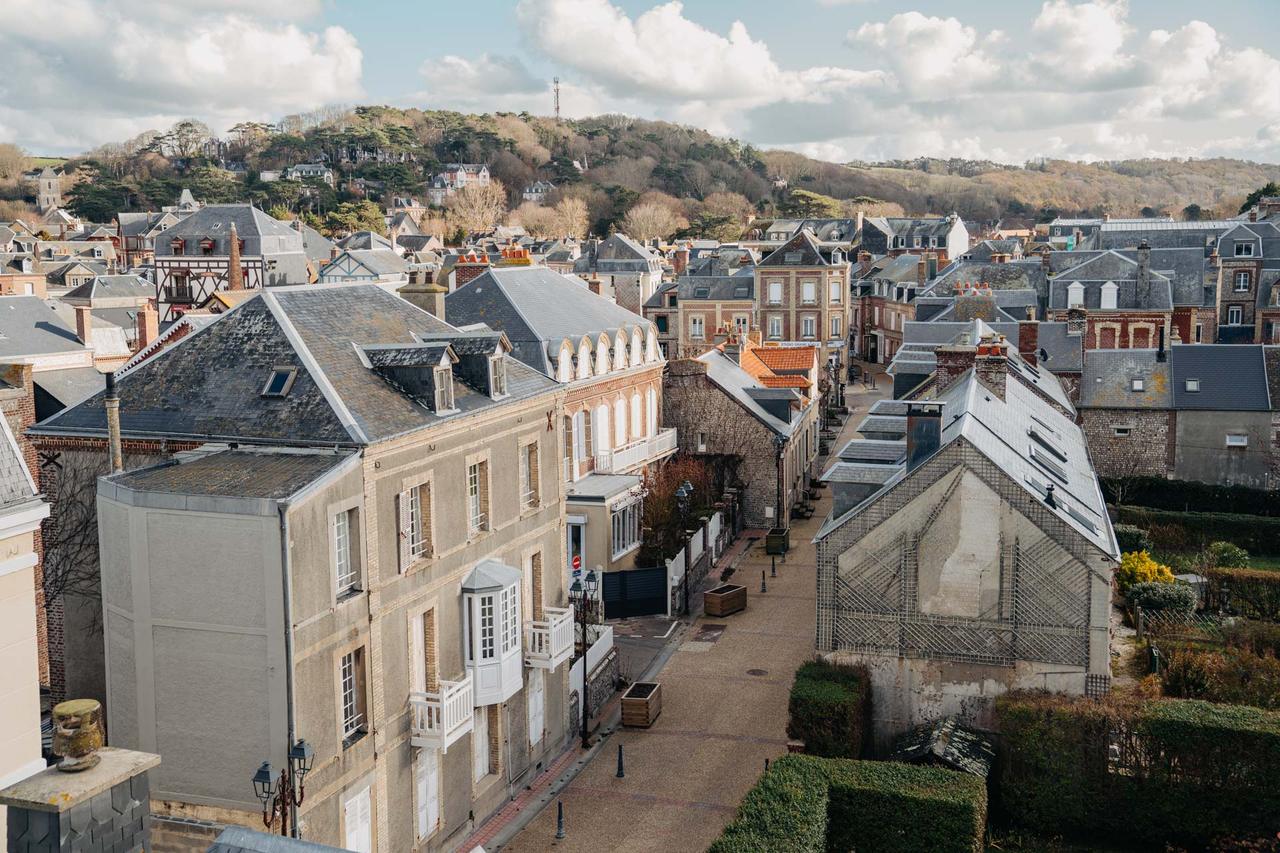
Map of the bay
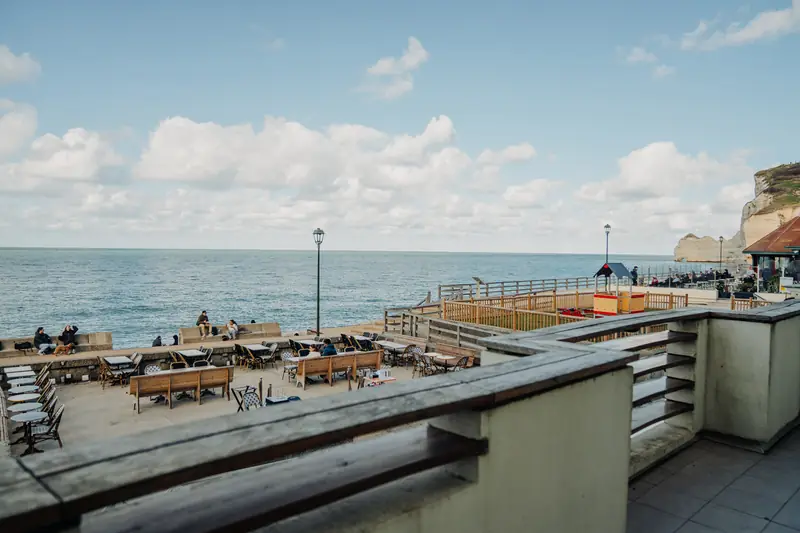
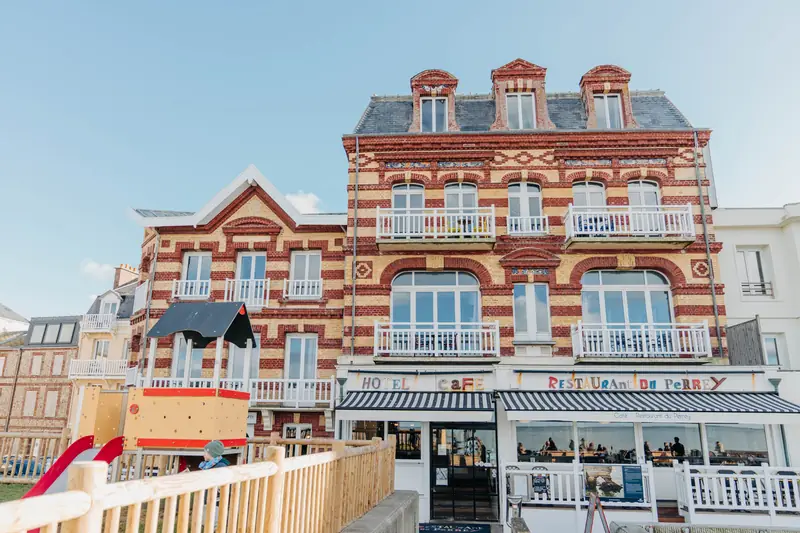
The hotel, halfway along the seafront.
With the sea in front of you, the Falaise d’Aval is on your left and the Falaise d’Amont on your right. Choose a place on the map to see its details. Illustrated map, not to scale.
What to see, on foot from the hotel
What to see in Étretat, on foot.
- 1
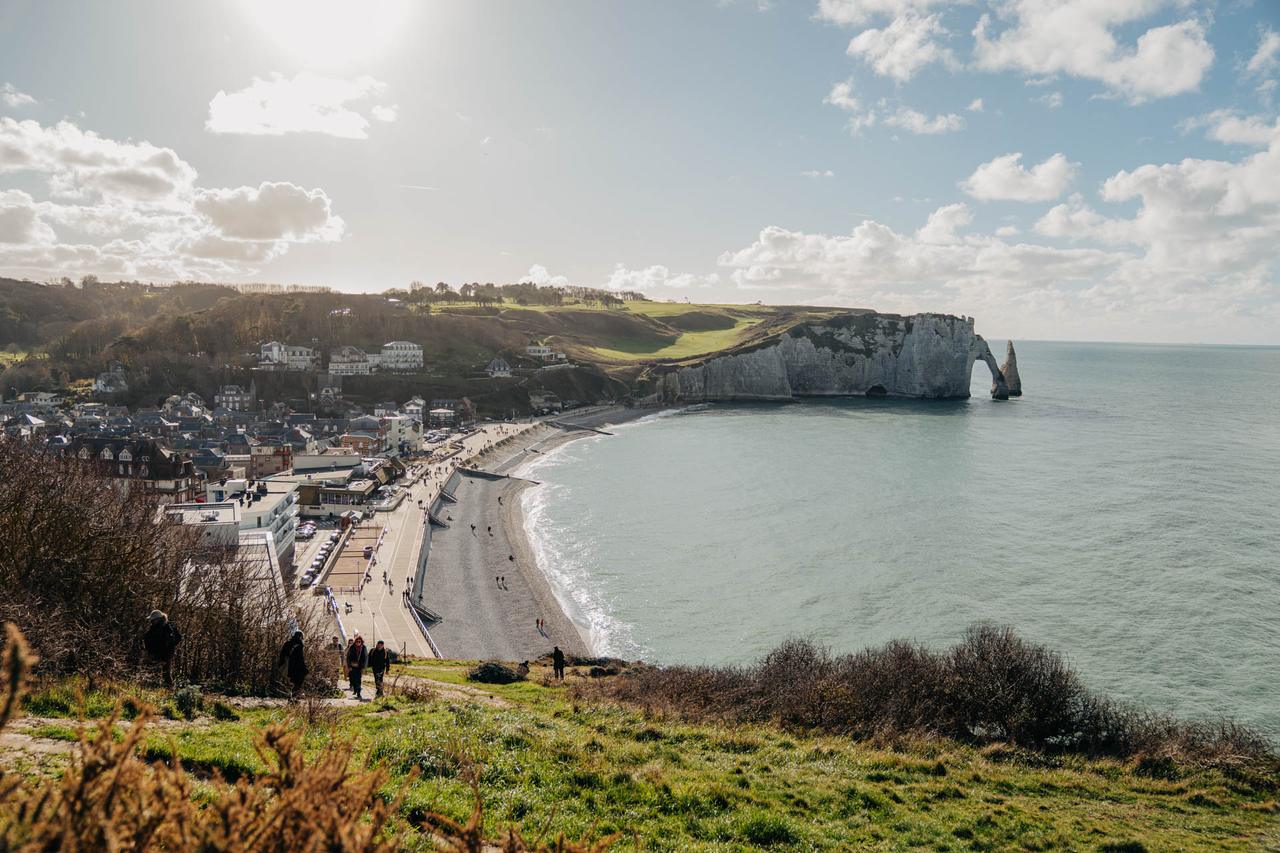
The beach, right in front
Cross the Perrey promenade and you’re on the pebbles. They’re flints polished by the sea, and they protect the village from storms – so please leave them where they are, even a single one.
- 2
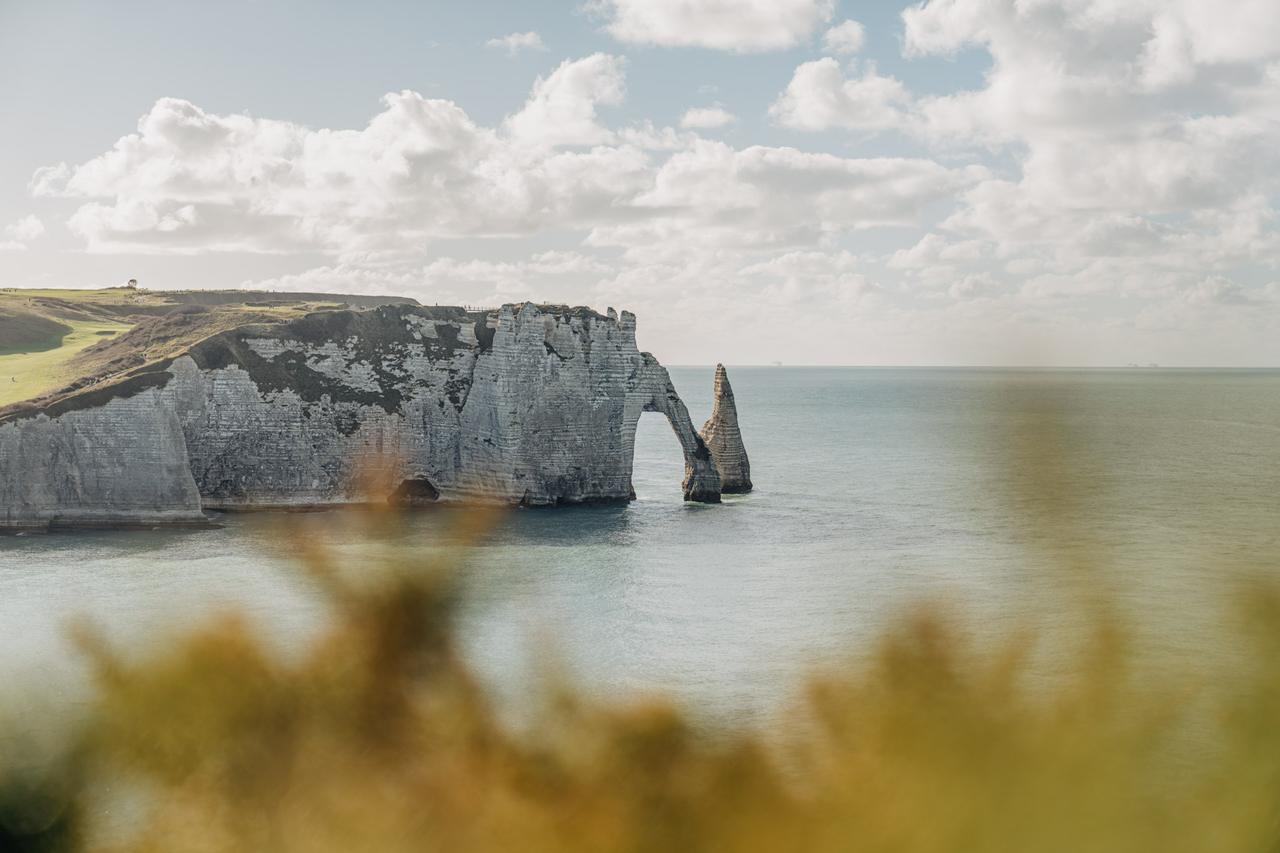
The Falaise d’Aval
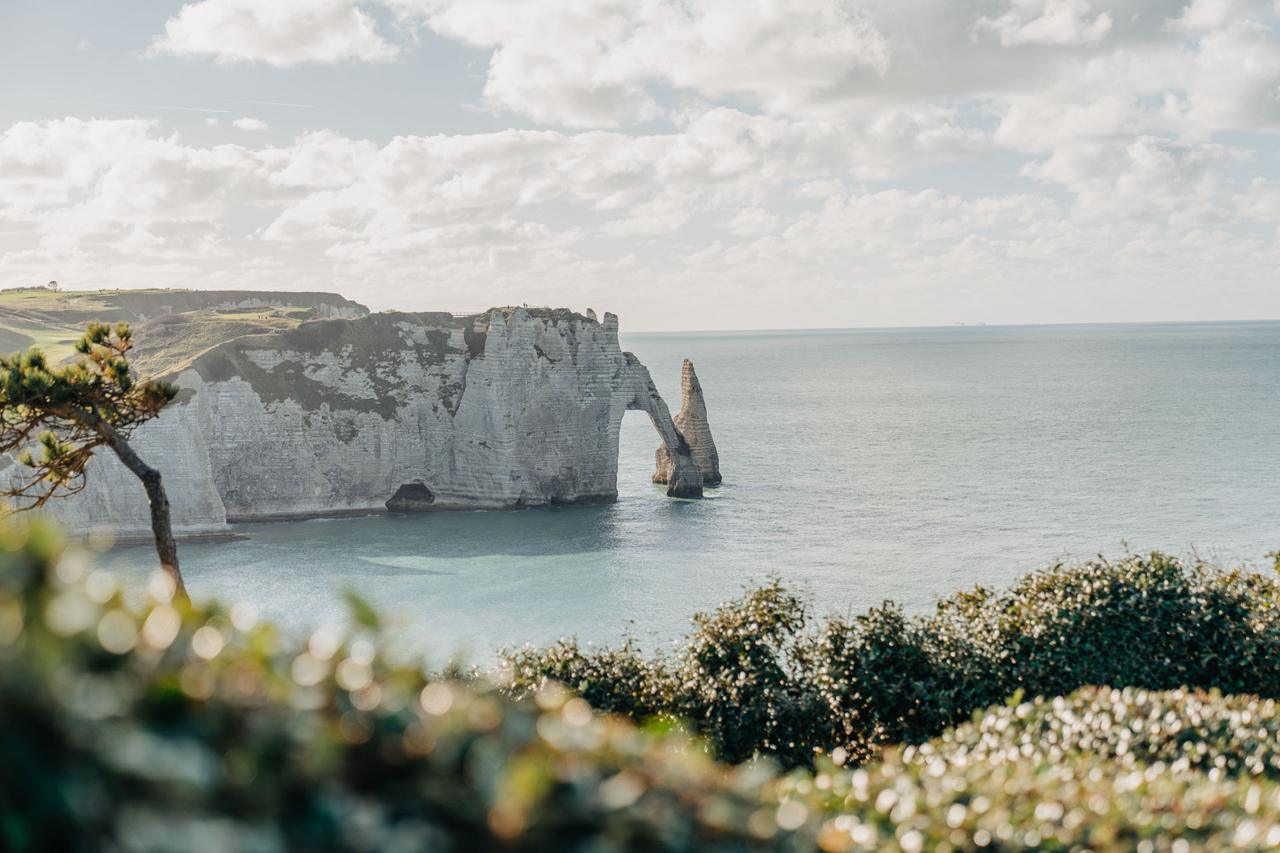
On your left as you face the sea. The path climbs up from the end of the beach and runs alongside the golf course, up above the Porte d’Aval and the Aiguille (the Needle). Further along is the Manneporte, an even larger natural arch.
- 3
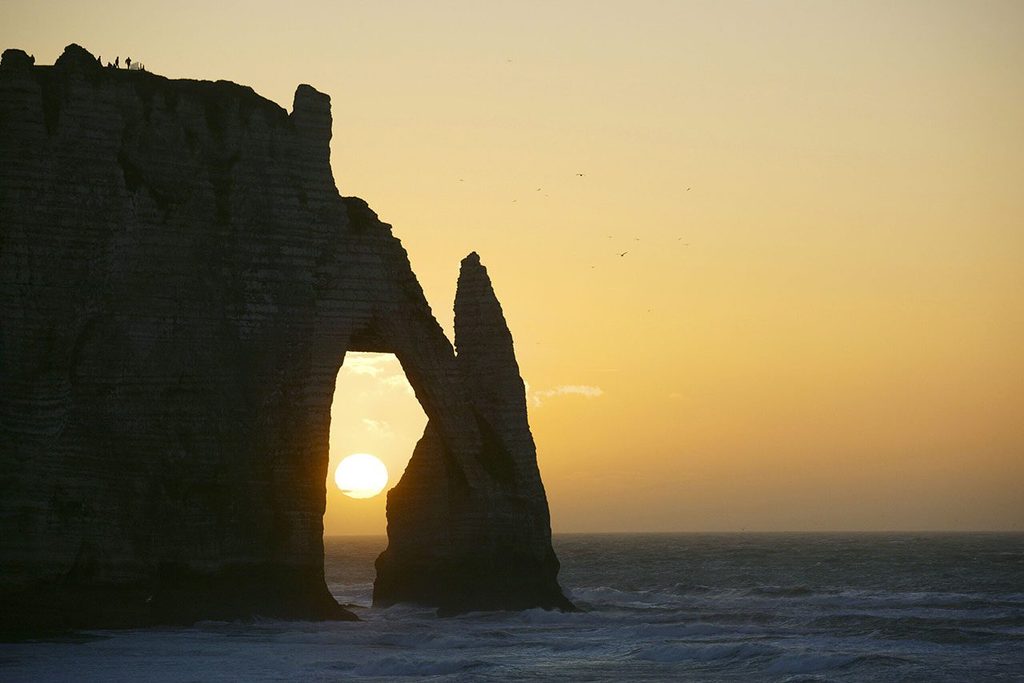
The Porte d’Aval
At the end of the Falaise d’Aval, an immense arch carved out by the waves. Right beside it stands the Aiguille (the Needle), 51 m (167 ft) high – the one in Maurice Leblanc’s The Hollow Needle. You can see the Porte from the promenade as you step out of the hotel.
- 4
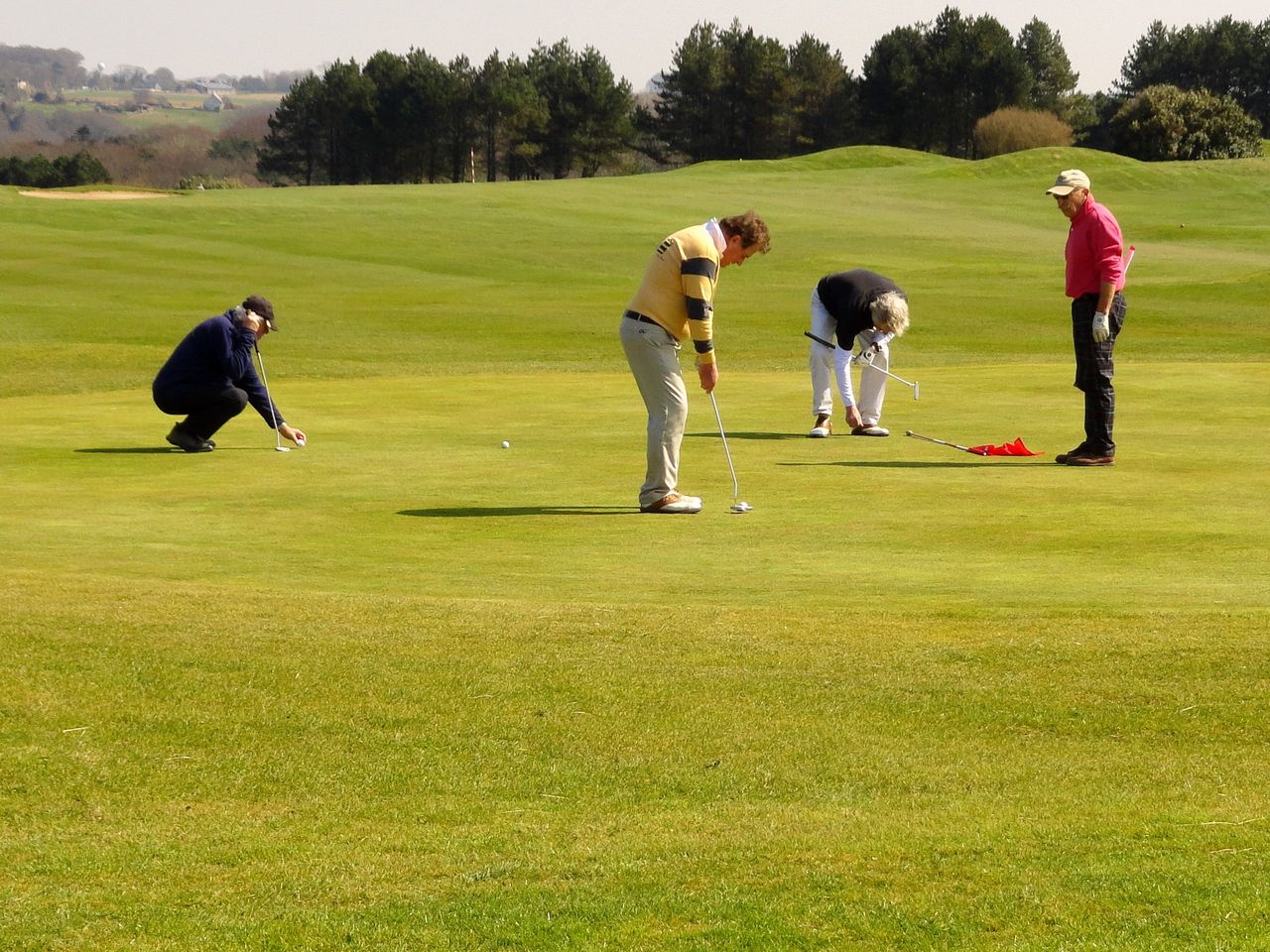
The golf course
At the top of the Falaise d’Aval, an 18-hole course created in 1908. The clifftop path runs alongside it, and its restaurant welcomes members and visitors.
- 5
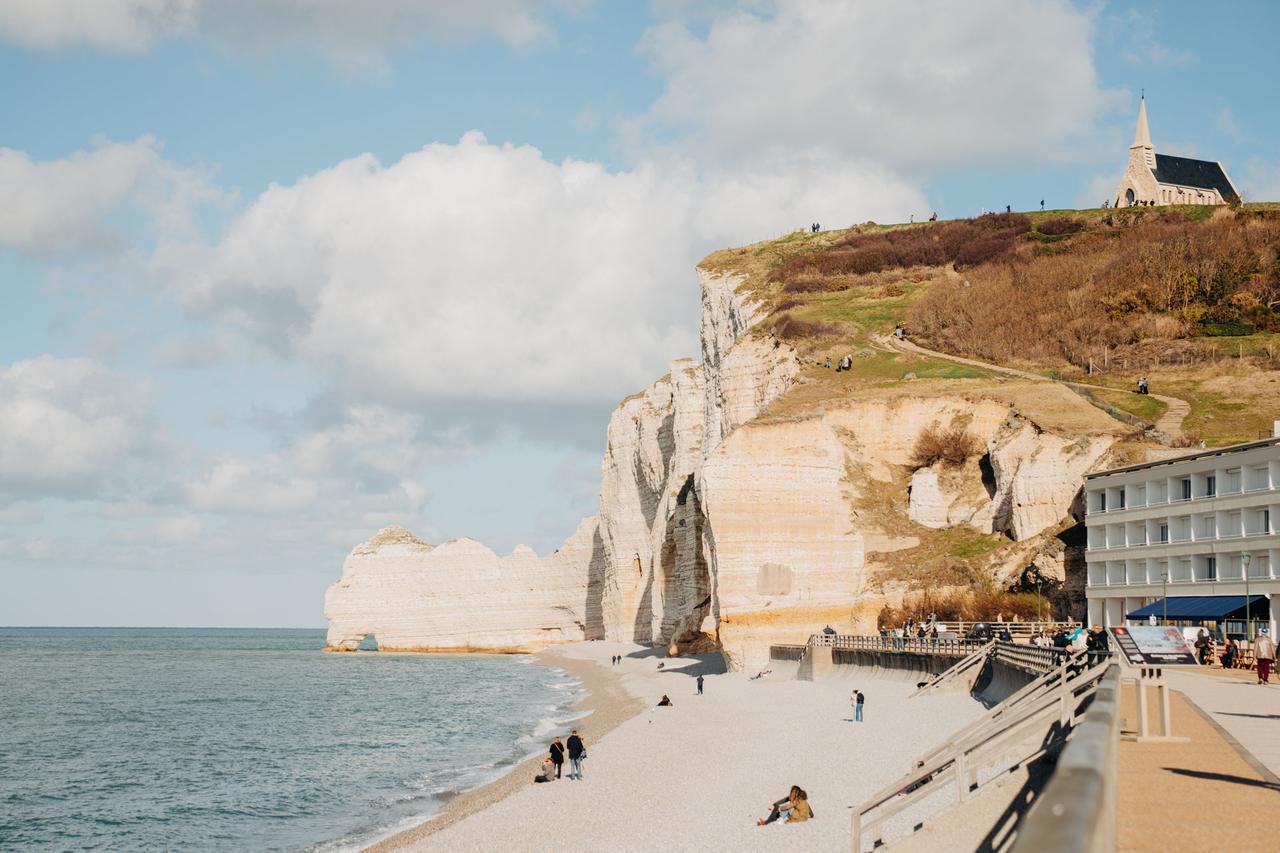
The Falaise d’Amont
On your right as you face the sea. Less than a century ago it was still called the Falaise du Blanc-Trait, after its chalk, which can be seen far out at sea. At the top stands the Nungesser and Coli memorial, to the two aviators who disappeared in 1927 aboard L’Oiseau Blanc (The White Bird).
- 6
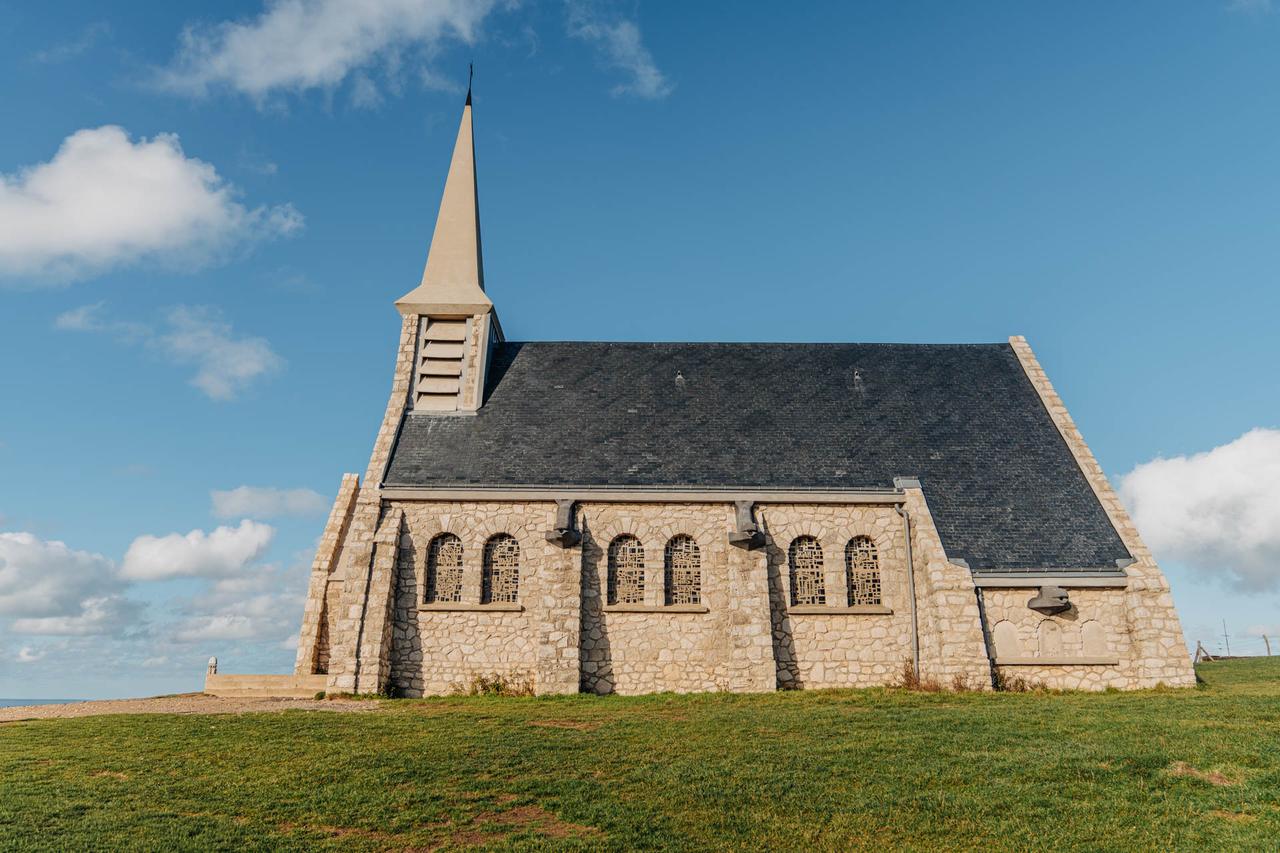
The chapel of Notre-Dame-de-la-Garde
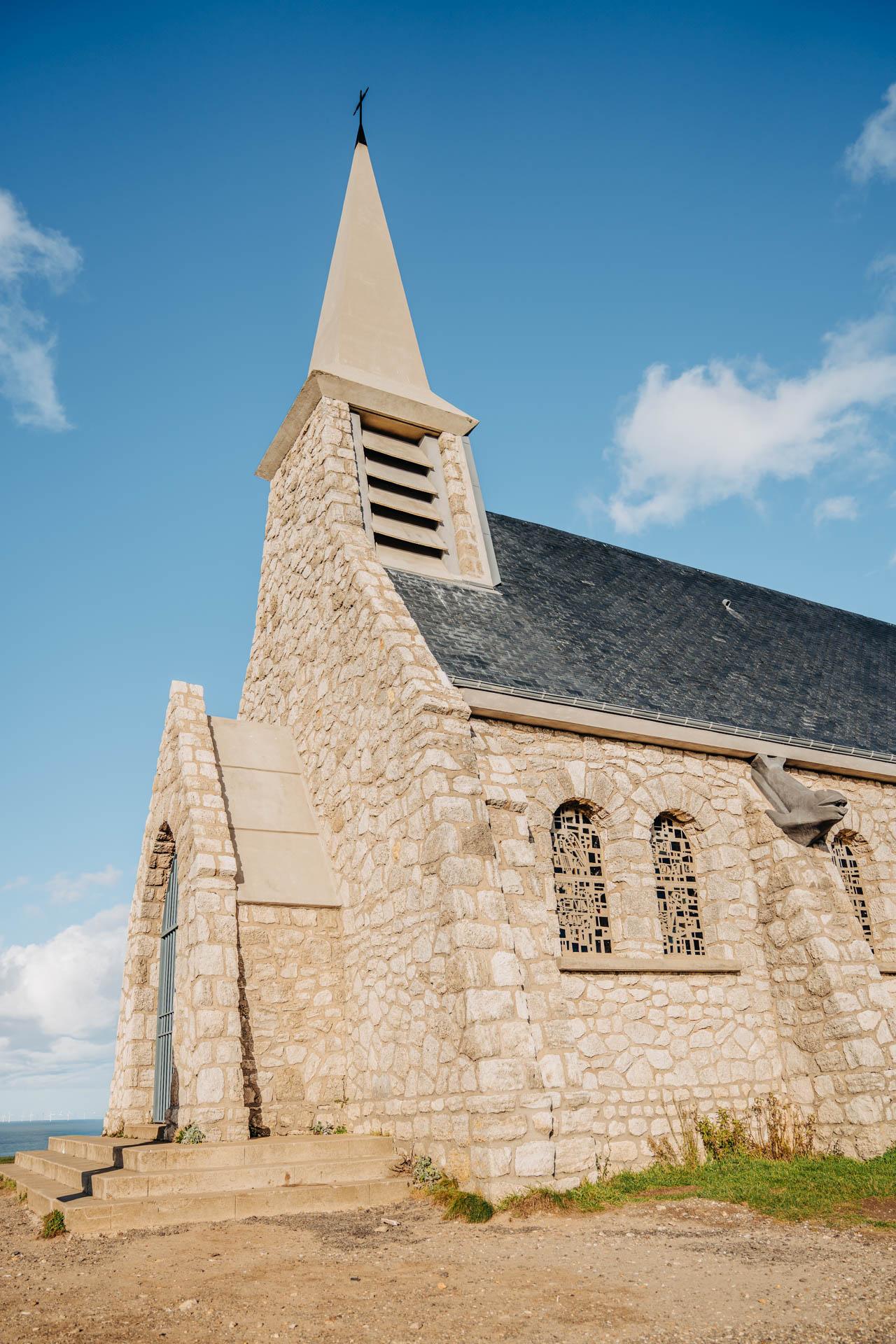
At the top of the Falaise d’Amont. Sailors carried the building materials up on their backs, and it was blessed in 1856 as a chapel for fishermen and sailors. The German occupiers ordered its destruction in 1942; it was rebuilt in 1950. It can only be seen from the outside, with its fish-headed gargoyles.
- 7
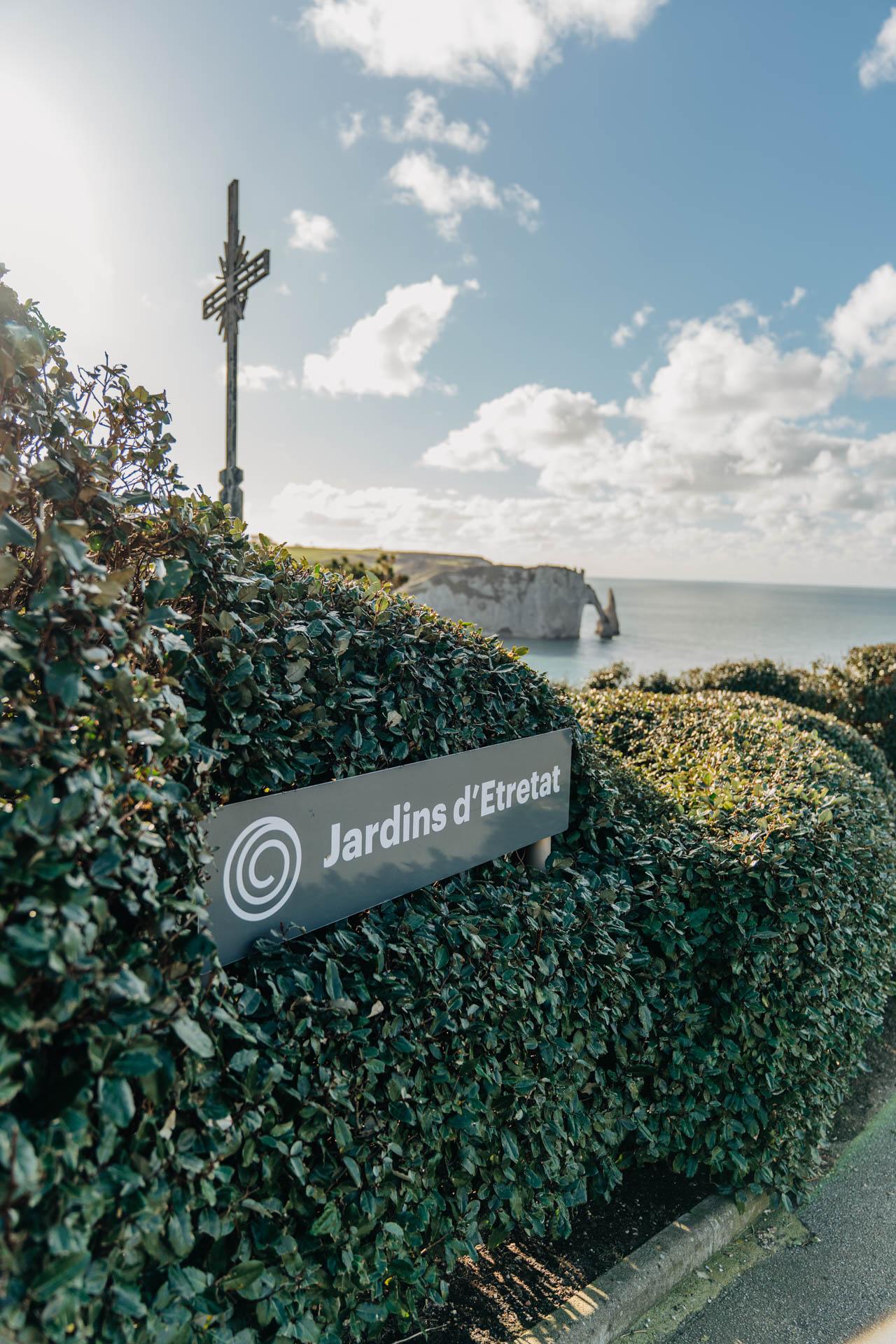
Les Jardins d’Étretat
At the top of the Falaise d’Amont, right next to the chapel: topiary gardens and sculptures facing the sea and the Needle. The landscape designer Alexandre Grivko brought them back to life in 2016, around the Villa Roxelane, where the actress Madame Thébault had planted the first tree in 1905.
- 8
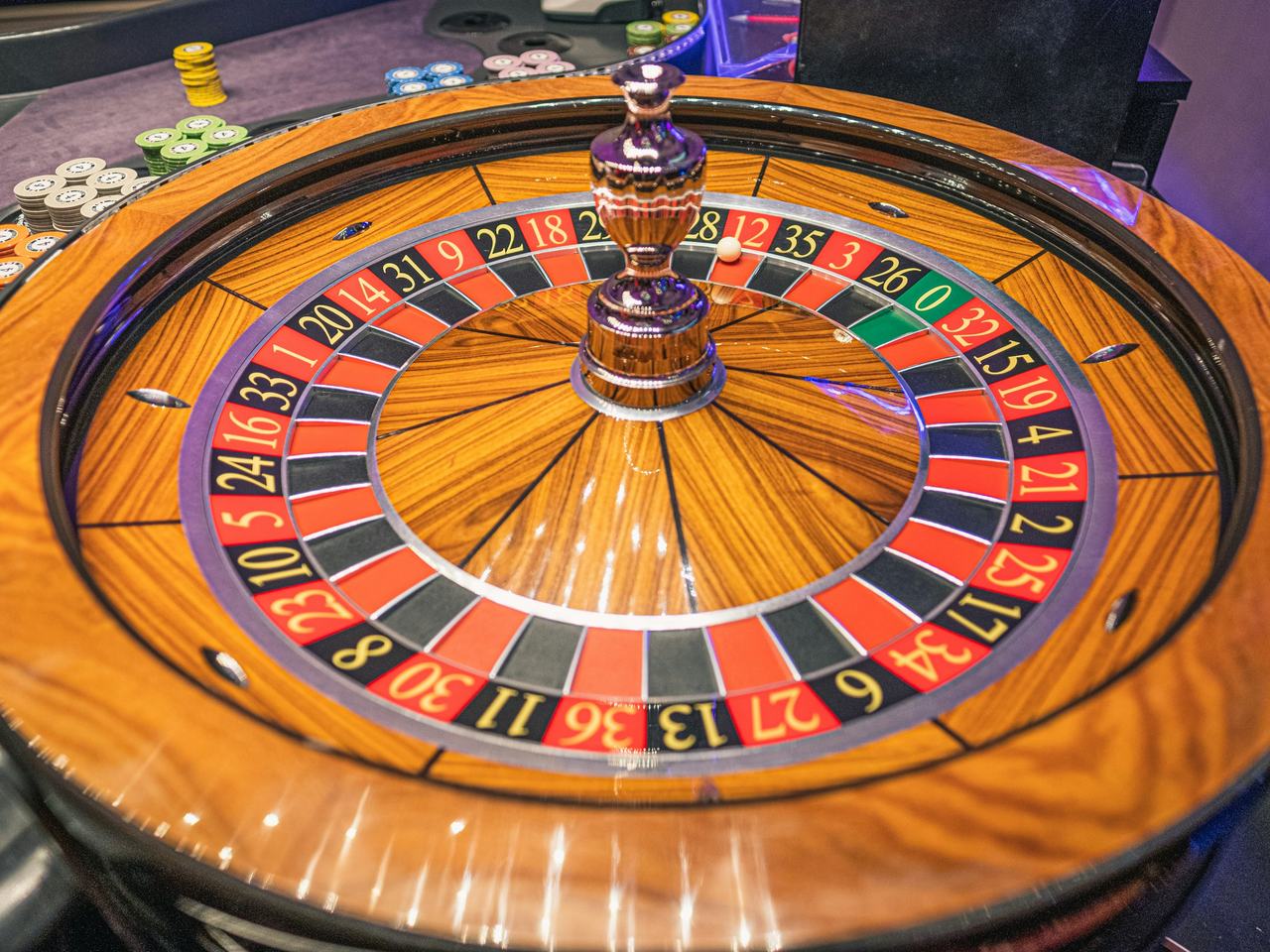
The casino
On the seafront, right next to the hotel: slot machines, electronic roulette and blackjack, and the Bar des Sports with billiards and table football. Free entry; ID required for gaming, over-18s only.
- 9
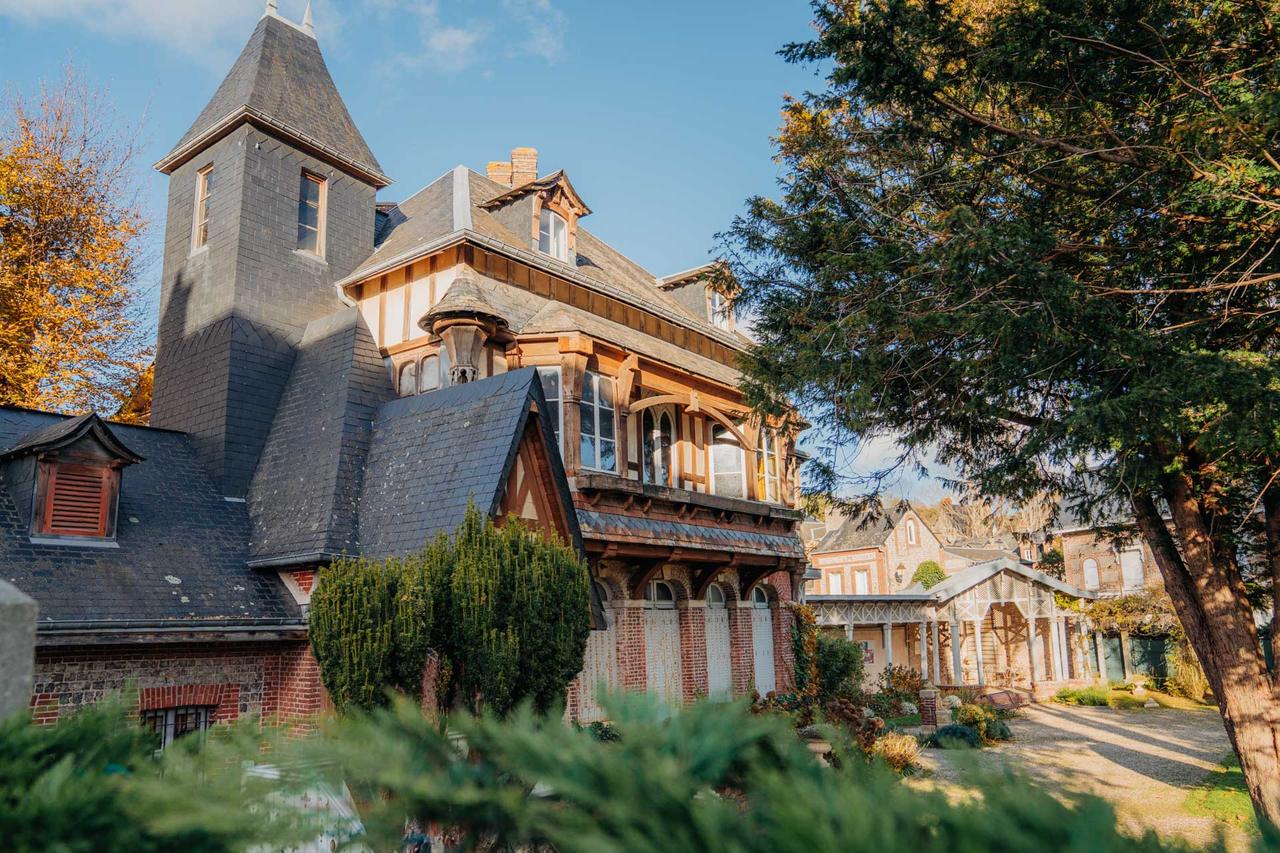
Le Clos Lupin
In the village: the house that Maurice Leblanc, the creator of Arsène Lupin, the gentleman thief, bought in 1919. It’s now a museum – look for the red sign with a gentleman in a top hat, which marks the entrance.
- 10
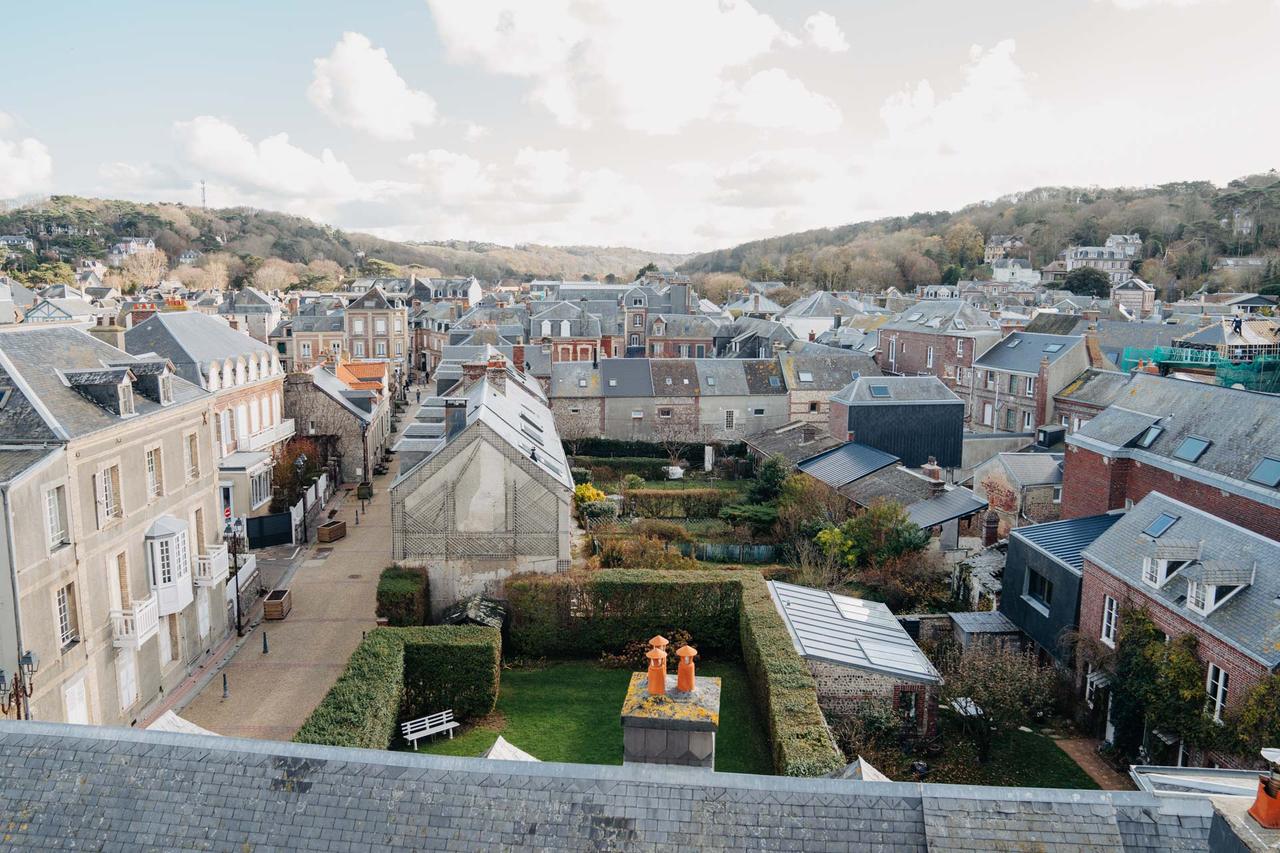
Village and covered market
The streets behind the promenade, shops within 300 m, and the covered market at the heart of the village.
Check opening times and prices on each place’s official website before you go. Source: Le Havre Étretat Normandie Tourisme, accessed on 17 November 2026.
Depending on the season
Étretat in winter.
Out of season, the promenade empties, and so do the paths.
You can walk to the cliffs and barely meet a soul, the low light picks out the chalk, and the Restaurant du Perrey stays open all year round. In winter, Le Clos Lupin opens at weekends; Les Jardins d’Étretat are open from early March to 22 November (Jardins website, November 2026).
Around Étretat
Around Étretat: day trips.
No car? Coaches run to Fécamp and Le Havre: see Practical information.
Our guides
Our guides to Étretat.
Written to be read while you’re here, with their sources and the date they were checked.
Book direct
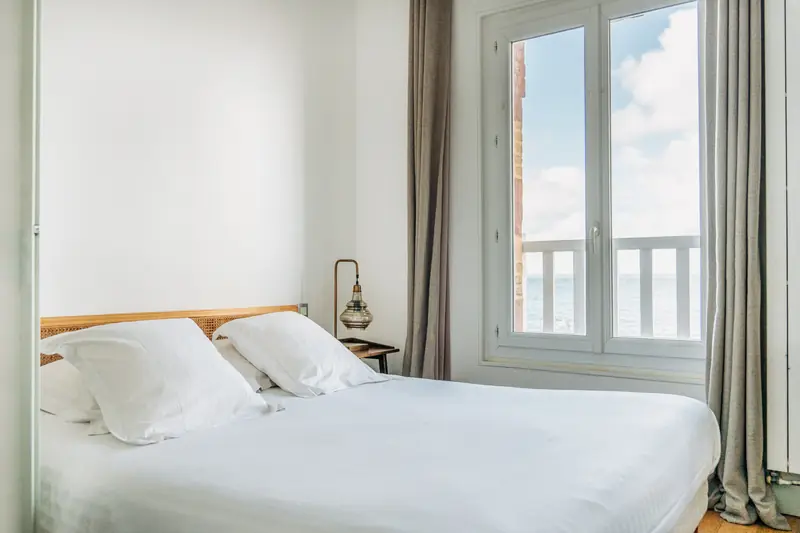
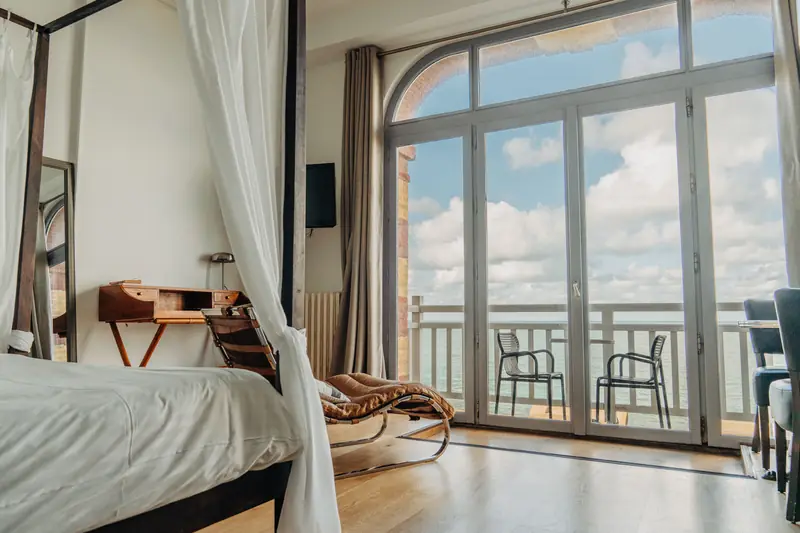
A sea-view room, at the foot of the cliffs.
Reception is open day and night. +33 2 35 10 38 90